Resource - Liquidity - Time theory
In this essay I am proposing a way to build companies, heal mental disorders and increase intelligence using a first-principles approach to human psychology called Resource-Liquidity-Time theory. I worked on this while spending time in John George psychiatric facility.
Part 1: Resources
Resources
Resources, ranked from lowest to highest liquidity:
- Commodities
- Money
- Compute & GPUs
- Connections
- Information
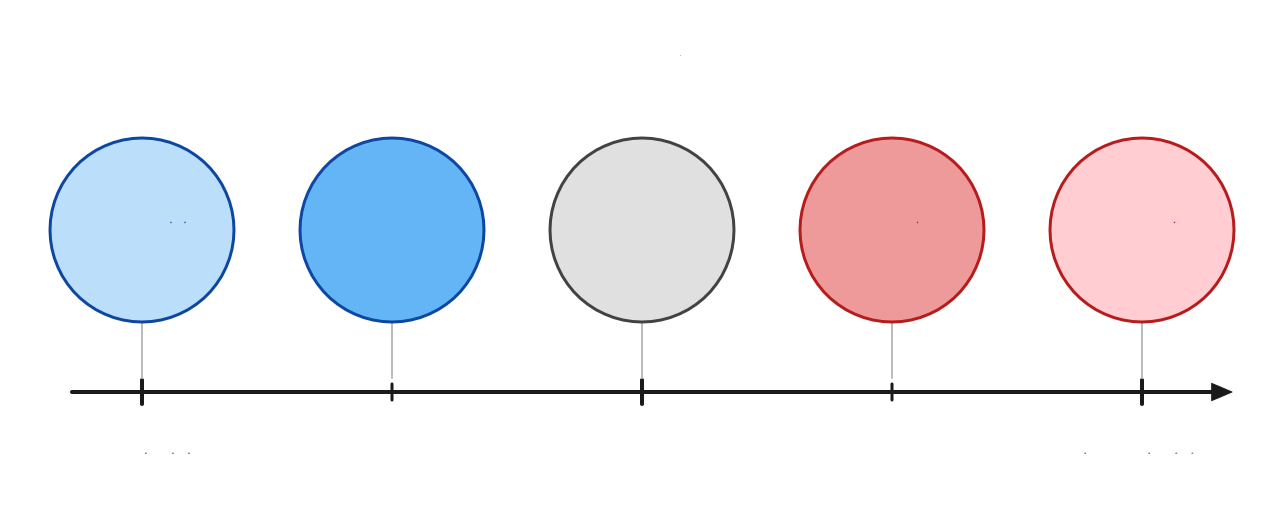 Resources ranked by liquidity
The resources can be exchanged one for another through different barter or open-market methods, here are several examples:
- Commodities can be sold to get money
- Compute can be bought with money
- Connections can be used to get funding for your startup
- Information can be used for insider trading or to land a job
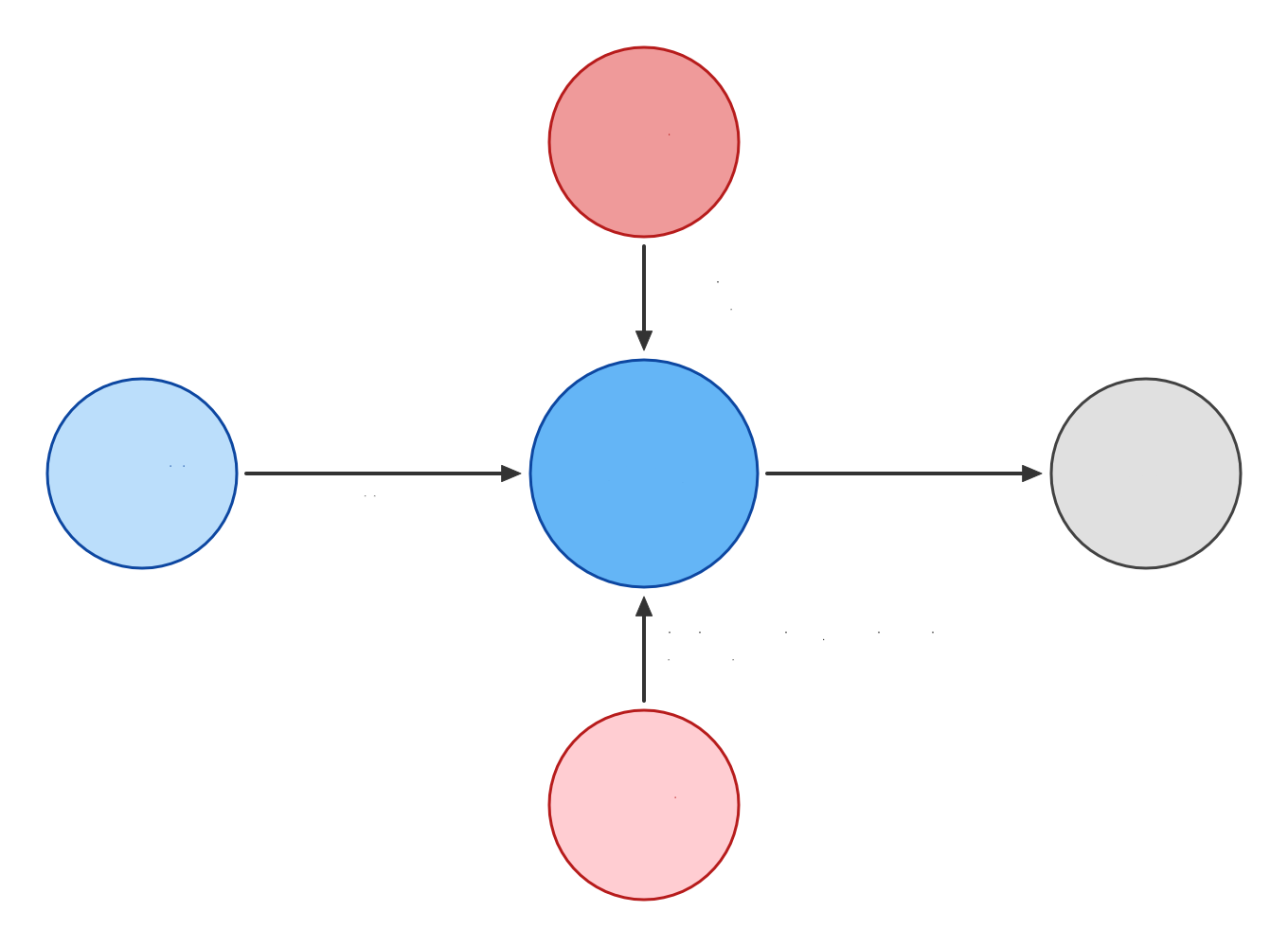 How resources convert into each other
Note on information: information as a resource can be higher or lower in liquidity and resource value depending on how scarce it is and how high is demand for it. For example information on how to train a basic LLM is abundant, information in form of cleaned-up pre-training datasets is more valuable, while information on outcomes of Anthropic IPO is even more valuable.
Open-sourcing software is a form of philanthropy which works by sharing information with people in form of codebases. The reason open-source contributors are well-known and admired in industry is that they provide without asking anything back, so they basically do philanthropy.
Paid education is a resource-management business that creates and sells information for money.
Consciousness can be at 1 point in time only, and changing the point drastically is done by external triggers (e.g. remembering childhood trauma or having PTSD triggers).
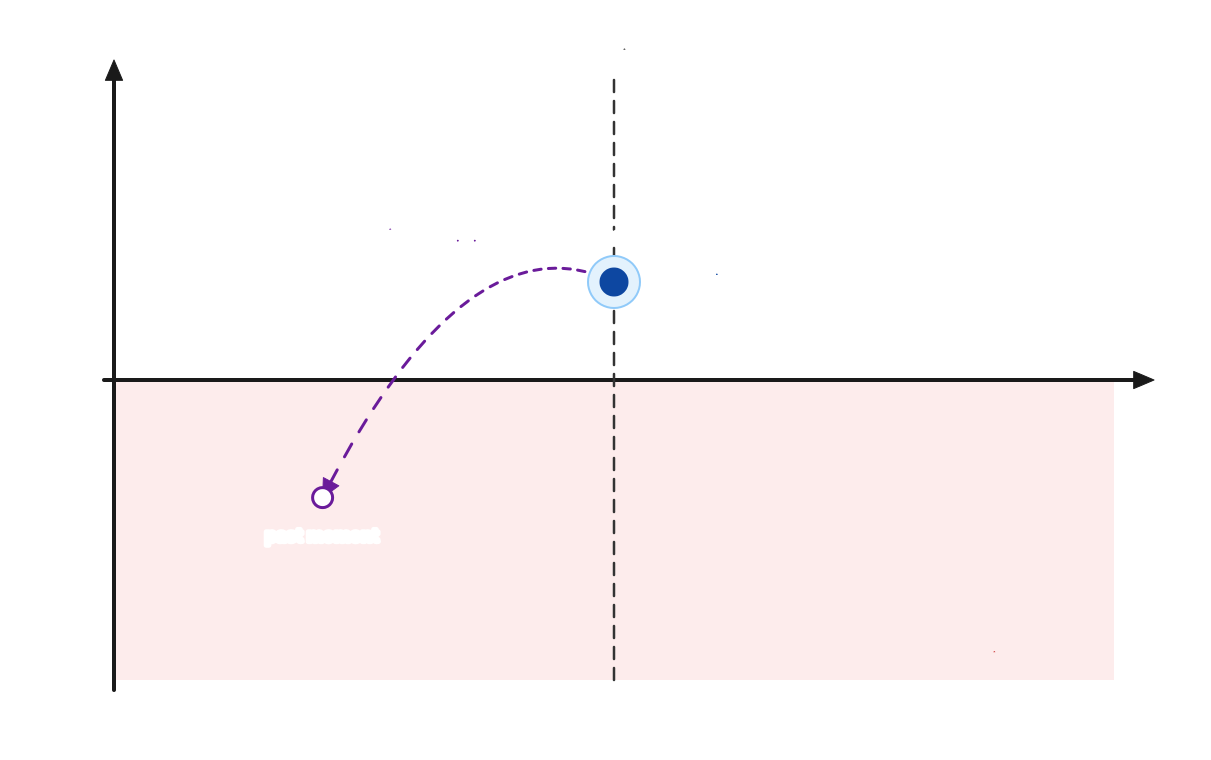 Consciousness: one point in R × T
Liquidity
Liquidity is a measurement of how little effort (work) needs to be done in order to transform the asset into money. It can be extended to pair liquidity where the liquidity will be dependent on resource pair instead of only to-money conversion. Positive liquidity means there is less work, and negative means there is more work to do.
Societal norms are often blocking better liquidity and higher resource GDP.
Examples:
- Namedropping is considered bad, while it is actually the best way to do bartered transactions in connection resource management. By telling previous experiences of people who work with you, or even just talked with you recently, you can increase your communications leverage, as you show that information (resource too) is flowing towards you, so you have positive high-density information flow and you are acquiring resources.
This is the reason why MIT/Stanford grads are considered better at software or entrepreneurship, because for continuous time they were optimizing for information flow instead of money. And money is much more abundant than information.
- Lying is considered bad, but by using 2 lies you can create a mutual connection between two people, increase your information leverage and ultimately increase company valuation. It is still a dark practice because you decrease the information resources of other people by spreading misinformation. But if there is a good cause behind it, it is probably worthwhile exploring as an option. Also after doing the barter transaction of connecting the people you lied to, you can show the cards and say that it wasn't fully true, and you probably will still retain most of communication leverage as you provided both people with something useful.
Also lying is a way to get an initial point in communication leverage without going the full route from your starting point. An example could be:
- Message 1, to IOI Gold medalist: We have a meeting with Sequoia next week and I want you to be our CTO
- Message 2, to Sequoia: Our CTO is IOI Gold medalist, we want to chat
So this is two lies, but if executed correctly, you can get an actual Sequoia meeting with IOI gold medalist being your CTO, and no one will know the truth until you show the cards, and it is kinda too late to punish you because everyone got into a better position from this.
- Funny example that I did is talking loudly on streets. If you have a high-leverage pitch, you can just increase your success chance by pitching loudly so random people around would hear it.
Time
Time can be positive or negative (future or past), and can be as discrete as needed. However there are no high-frequency platforms to exchange information or connections yet (RFS from myself pretty much).
Part 2: Mental Disorders
Majority of personality disorders come from split shapes and volumes, plus acute shape of volumes in the RLT (Resource/Liquidity/Time) graph. Liquidity can be different so it is omitted from this part. Also most people do have current time center which is near past + future covered pretty well on resource axis.
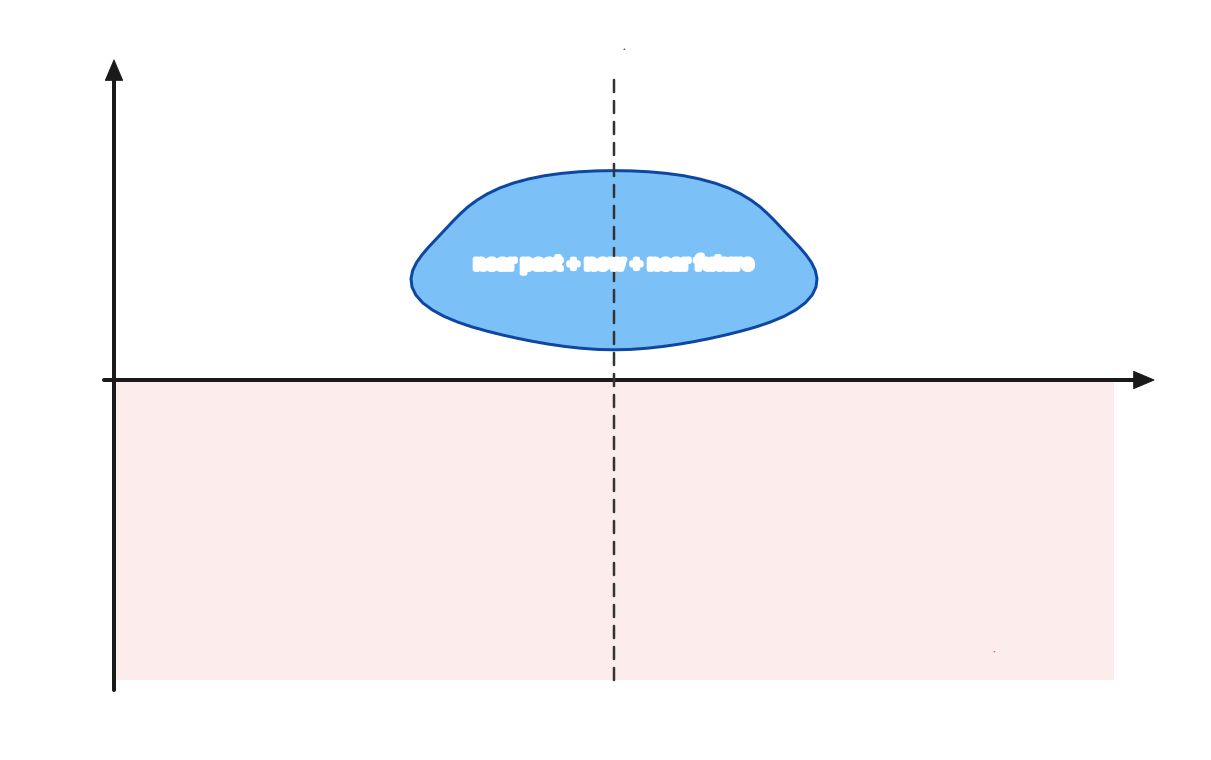 Typical: one volume around now, covering the near past and near future
Paranoidal Schizophrenia
This is two different RLT shapes on a graph. One is basis of current time + near past, one is in future with negative resources.
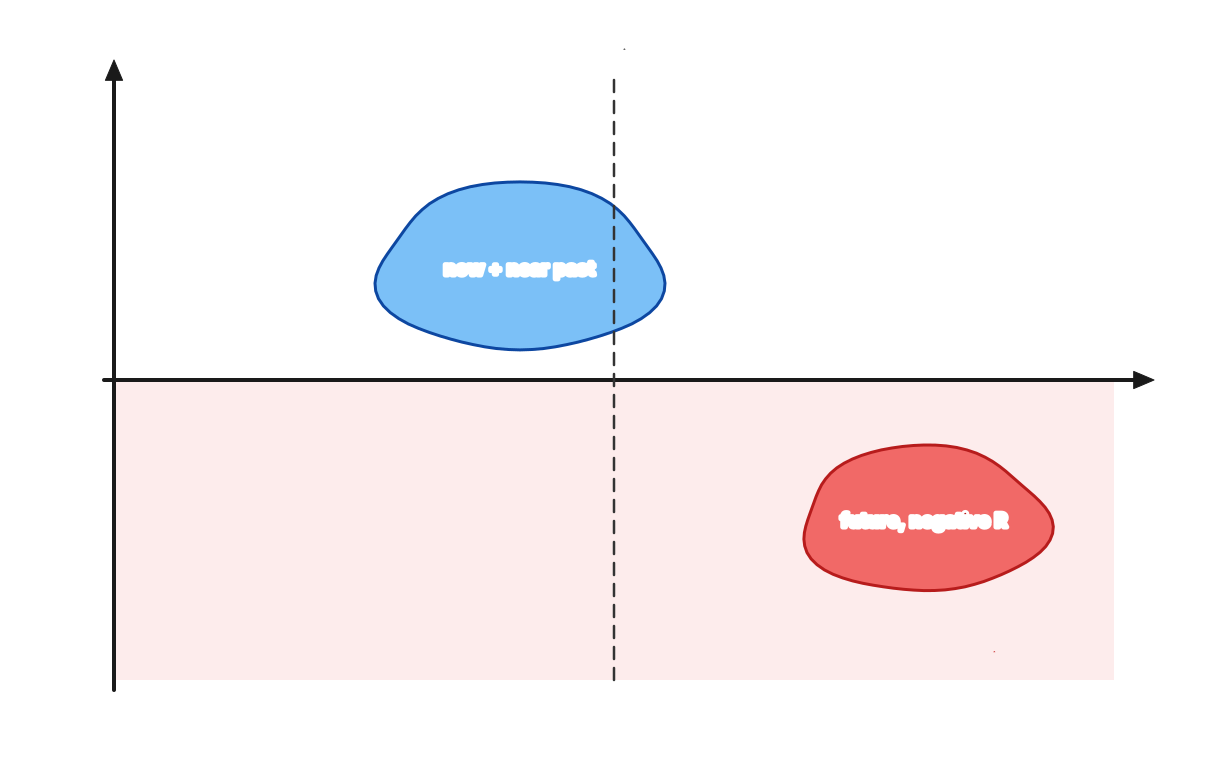 Paranoid schizophrenia: present + near past, and a future volume with negative resources
PTSD
This is two different RLT shapes on a graph with different shapes, one in past with negative resources, and one in current time.
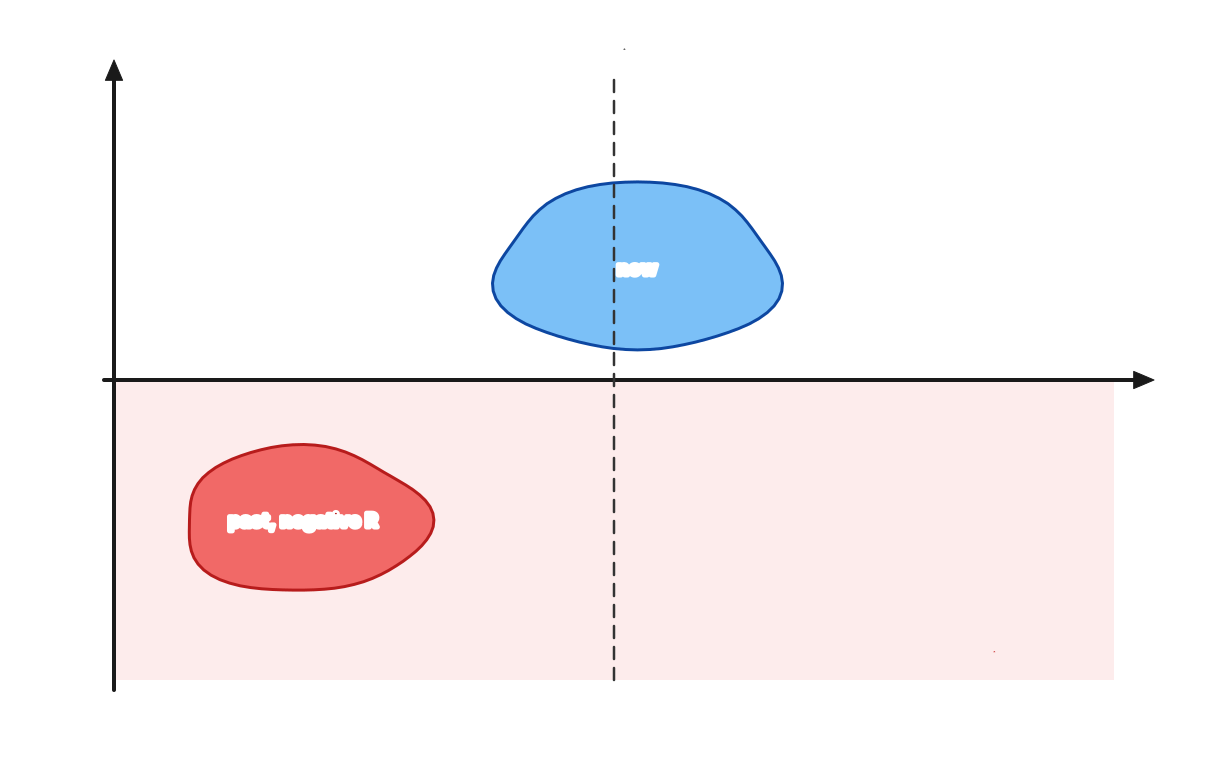 PTSD: a past volume with negative resources, and the present
Bipolar personality disorder
This is three different RLT shapes on a graph. One is in current time, one is in future with high resources, and one is in future with low resources.
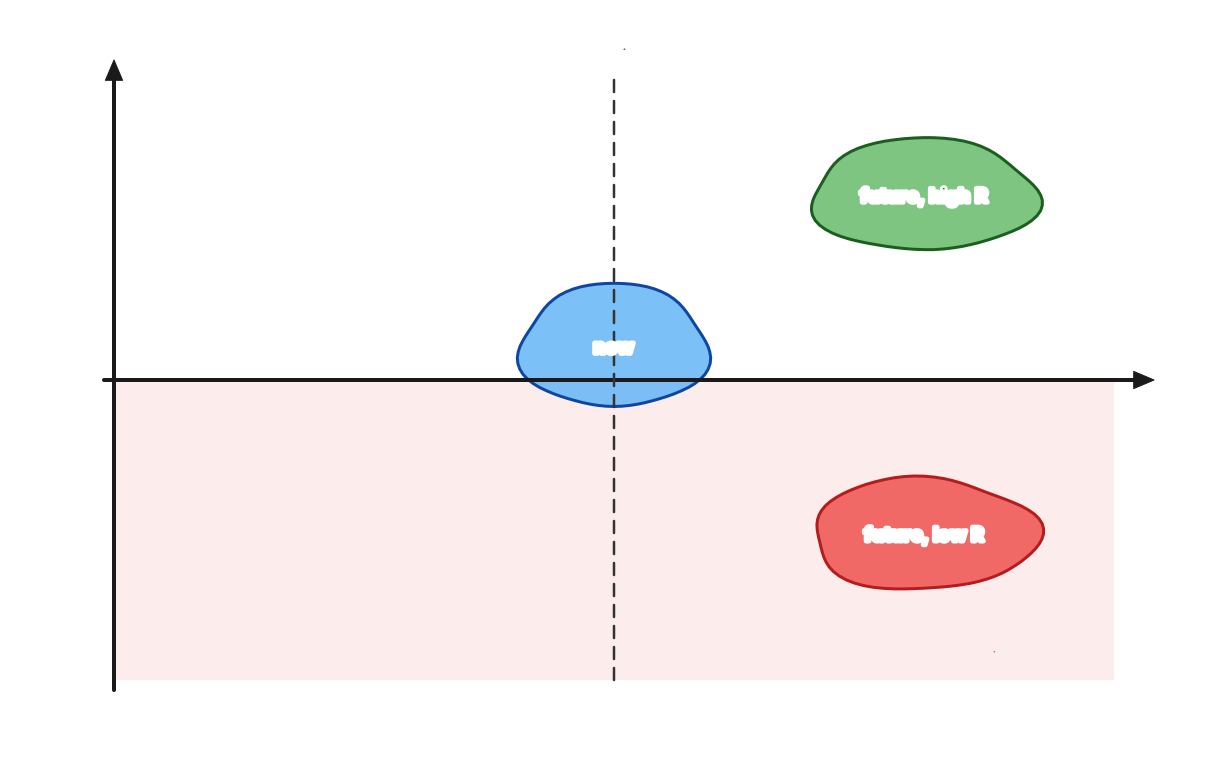 Bipolar: the present, a future with high resources, and a future with low resources
Dissociative identity disorder
This is multiple different RLT shapes on a graph with different shapes and long time coverage.
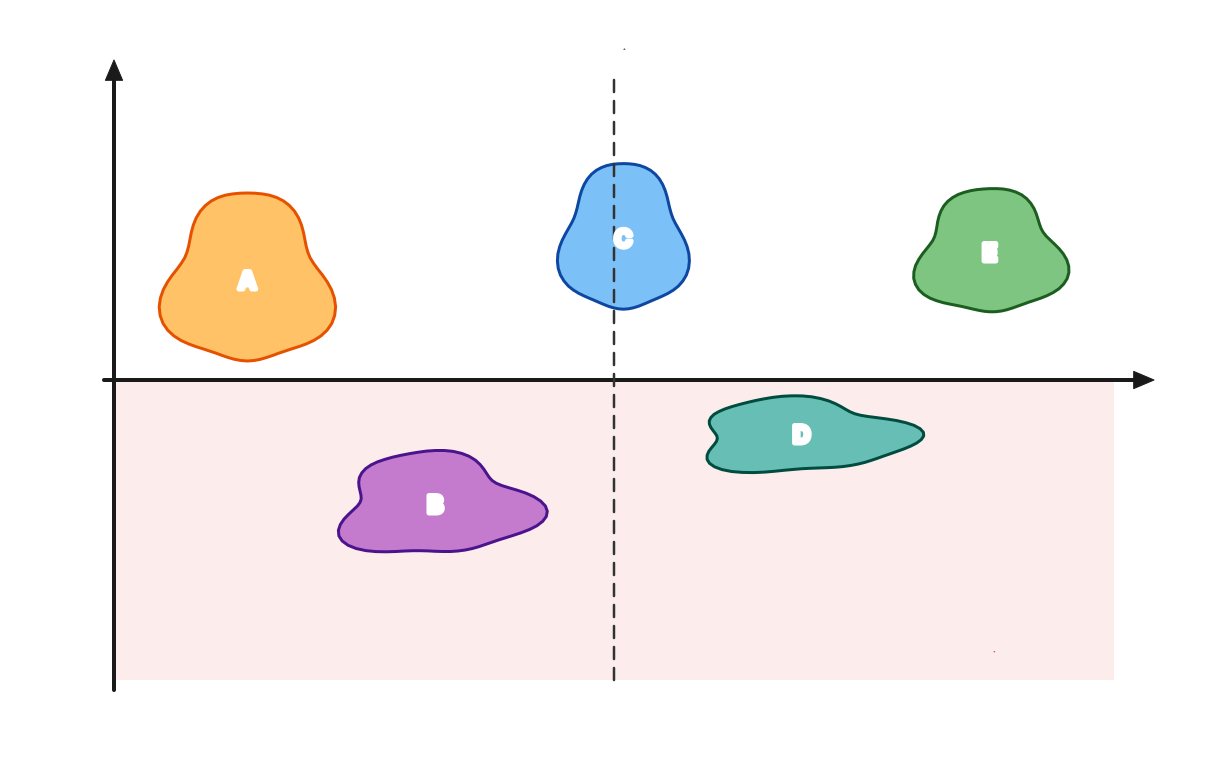 Dissociative identity disorder: many differently shaped volumes spread over a long time range
Some of those can be cured by just deactivating / rewiring neurons that correspond to those areas, some can be cured by adding an opposite experience (can be also added through invasion as a false hope/memory).
Part 3: Intelligence
IQ
IQ is an intelligence quotient that correlates with total volume of in space R, L, T, where R is scalar resource amount, L is negative scalar resource liquidity, and T is time.
Why negative L: the liquidity of money and commodities would be negative here, but high in module. The reason being that they can be exchanged very easily. Side effects of this is that highest-IQ people are working in Quant, which is literally using information and analysis to trade money and commodities.
EQ
EQ is an intelligence quotient that correlates with total volume of shapes in space R, L, T, where R is scalar resource amount, L is positive scalar resource liquidity, and T is time.
Why positive L: the liquidity of connections and information would be positive here. The reason being that they are hard to exchange as you need to do communication work and can't just place a bid. Side effects of this is that highest-EQ people are working in sales, which is using connections and information to accumulate money. When a sales guy leaves, his connections network goes with him, because connections as a resource is so sticky to initial owner that for a company to get back those clients or prospects - product needs to be much better than what competitors have, probably to a point where sales would not be needed at all.
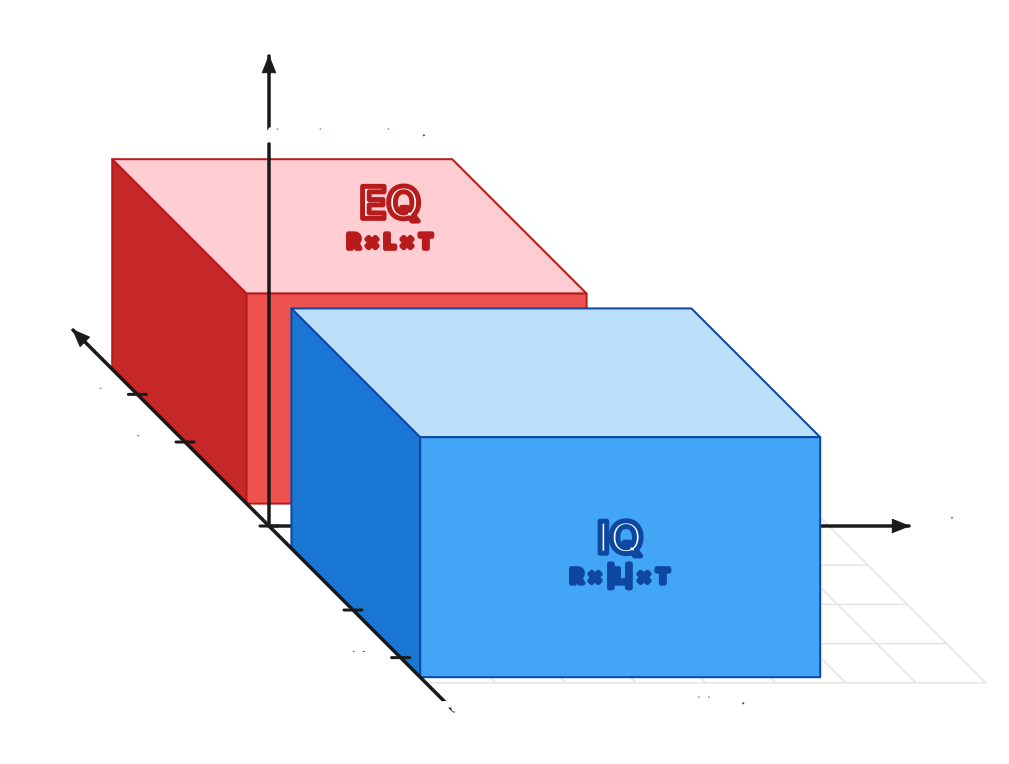 IQ and EQ as volumes in R-L-T space
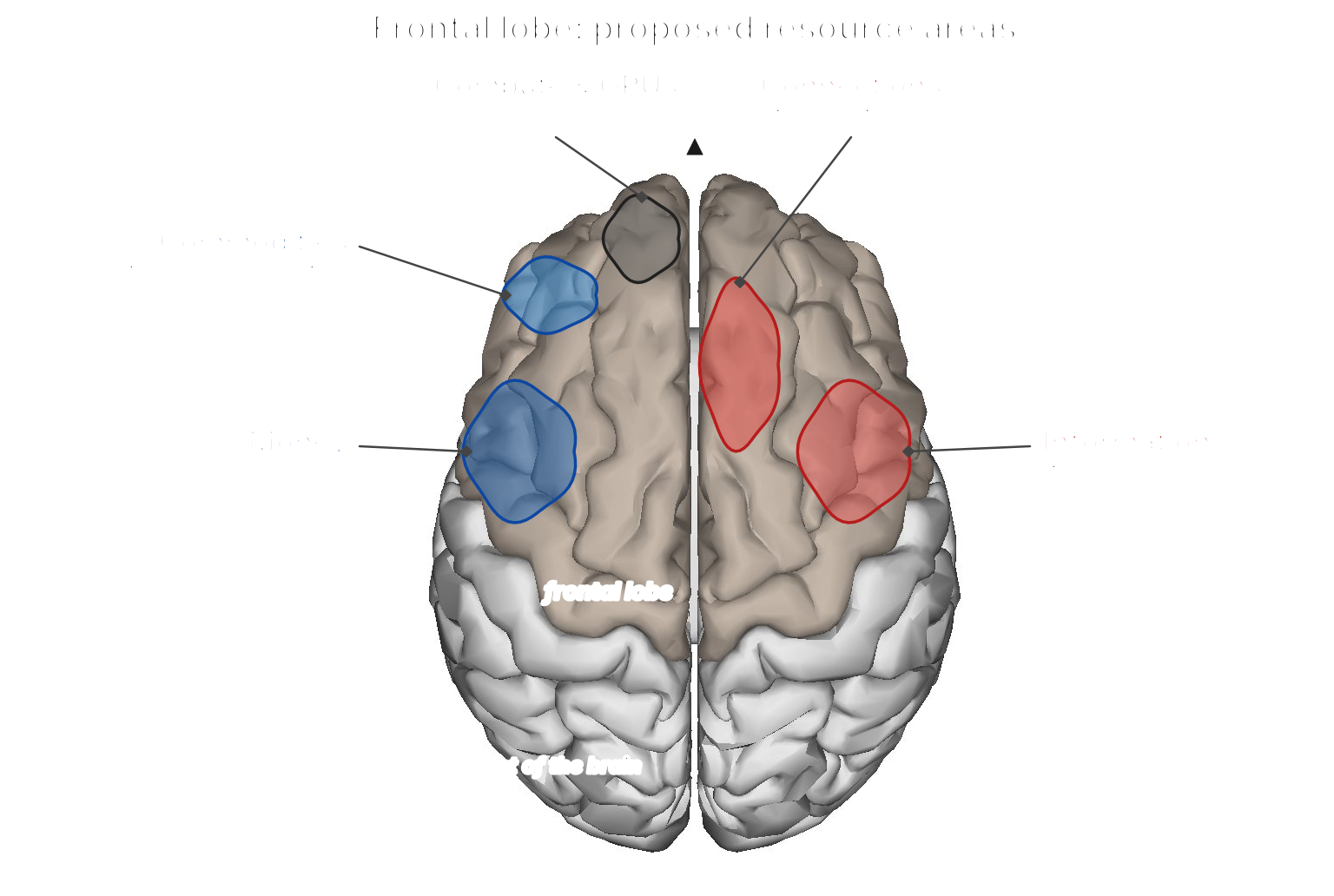 Frontal lobe: proposed areas for each resource
Brain render: Anatomography / BodyParts3D (DBCLS), CC BY-SA 2.1 JP, via Wikimedia Commons. The diagram is shared under the same license.
Left frontal lobe: IQ side (money, commodities, compute).
Right frontal lobe: EQ side (connections, information).
This is illustrative only, as there is no BCI data behind it yet.
Intelligence increasing framework
Intelligence can be increased by increasing the coverage of positive and negative R in the future and in the past. This directly implies high-IQ activities as KPI test - pattern matching in IQ tests (as it is predicting future), and playing chess, as it is one of the best games to analyze previous mistakes and patterns, and predict the future. Cool finding would be to implement transfer learning between llms (mostik.ai is closest to that), and also between llms and smaller models or even algorithms like stockfish.
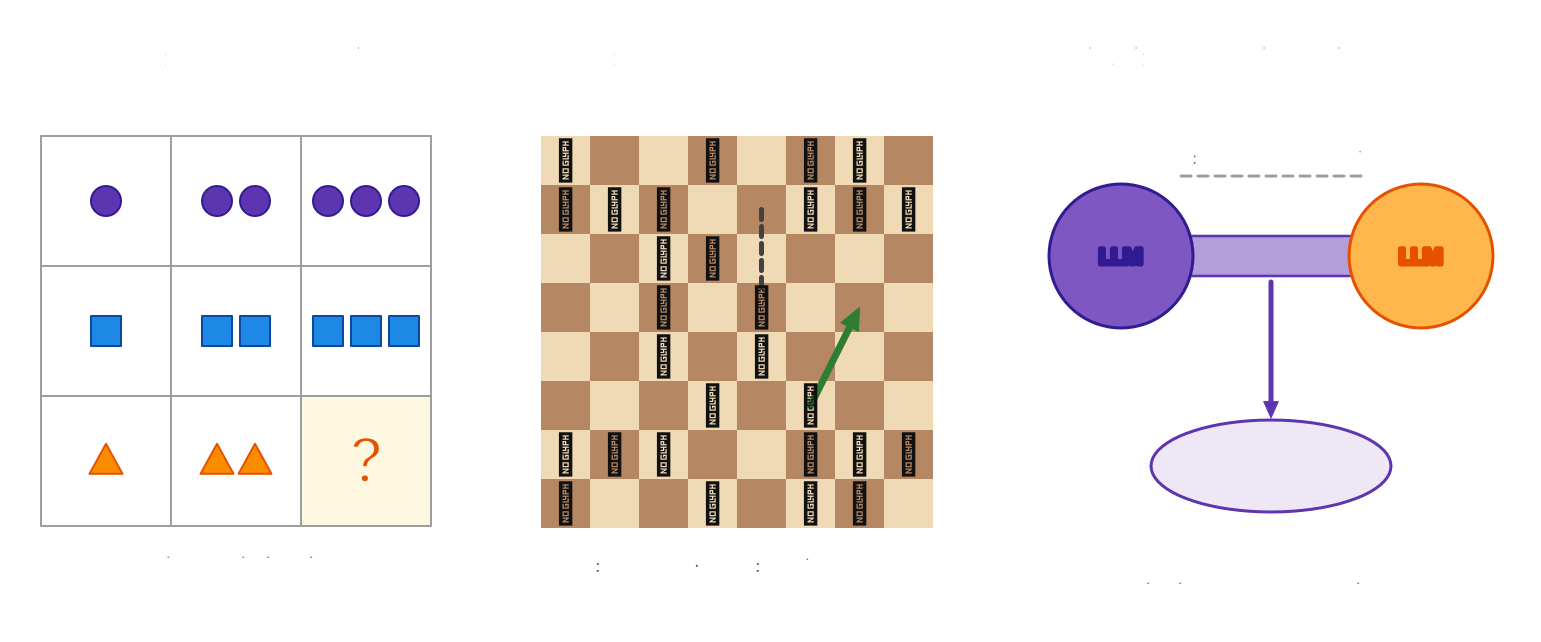 IQ-test pattern matching, chess, and models linked in latent space (mostik.ai)
The framework to increasing intelligence is exposing the person to high amounts of things unusual to him, to increase activity in previously unused brain centers.
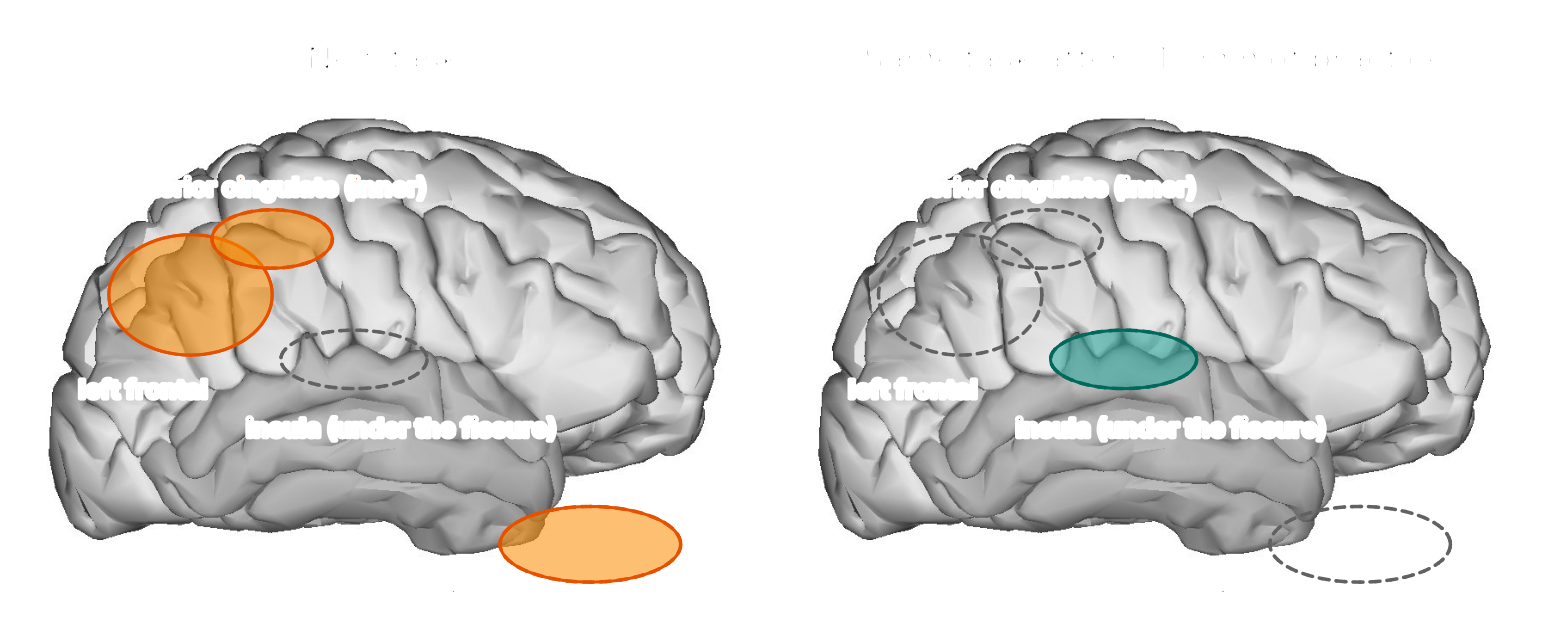 Brain areas used for a new task vs. the same task after practice
Data: Petersen, van Mier, Fiez & Raichle, PNAS 1998 (verb generation, PET). Brain render: Anatomography / BodyParts3D, CC BY-SA 2.1 JP.
Another important note is finding large neuron clusters in-between lobes to increase connection density. One of those is body control. Person needs to control the body in almost all art forms, and also while typing when coding, or solving something on a whiteboard. This is why yoga / gym / drawing is so important.
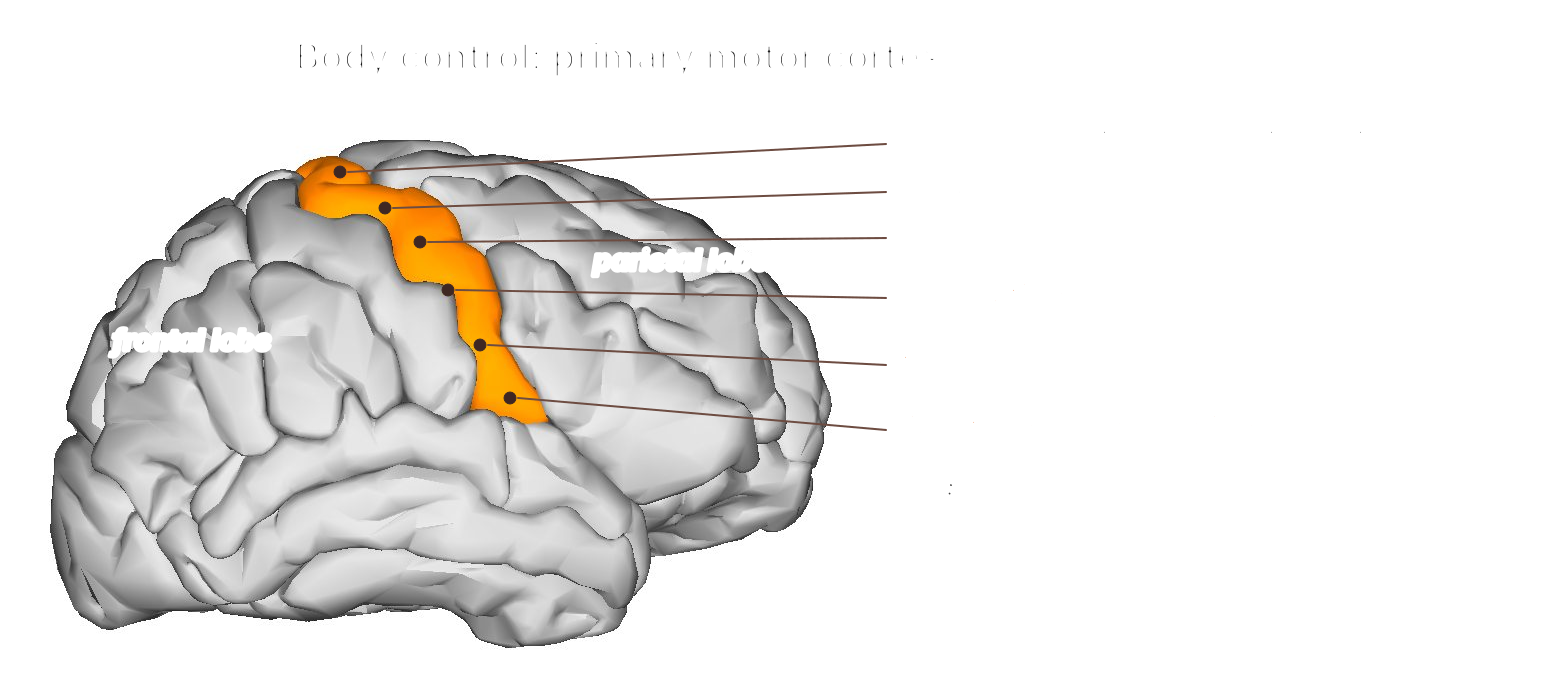 Primary motor cortex: the body map along the precentral gyrus
Data: Penfield & Boldrey, Brain 1937 (motor body map). Brain render: Anatomography / BodyParts3D, CC BY-SA 2.1 JP.
I suppose that invasive BCI with a model trained on such cases could do all of that without actual activities, just in a controlled medical environment that edits the neural connections.
Part 4: Persuasion
Persuading people using your resources can be formalized by noting an interval in which person can be persuaded. The lower threshold is when the person is not considering the leverage enough to do any work, the higher threshold is where person thinks you are delusional or lying.
, where is what the person gets and is what they give (work).
Persuaded , where .
and : the higher , the lower both thresholds.
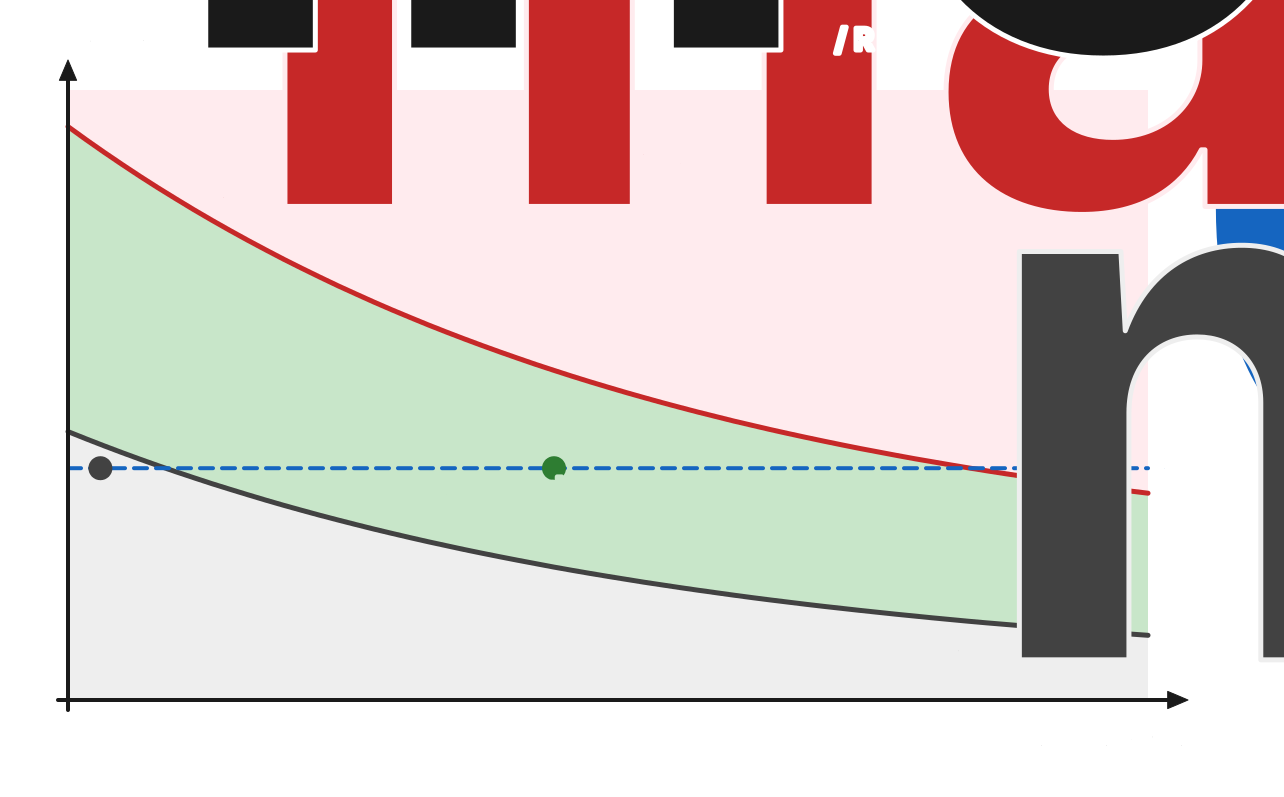 One pitch P₀ for people with different Q: too weak, persuasive, then delusional